
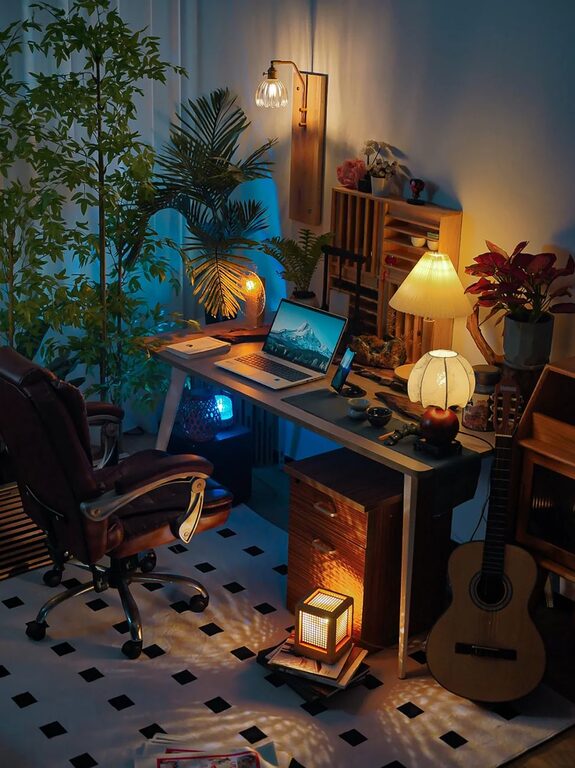
Creating a cozy and inviting home office space is more important than ever. Whether you’re working from home full-time or just occasionally, a well-designed office helps you stay focused, comfortable, and motivated. A space that feels warm and personal can reduce stress and inspire creativity throughout your workday. Here are some helpful tips to design a home office that’s both functional and welcoming.
Choose the Right Location
Selecting the best spot for your office is the first step. Ideally, this should be a quiet area with minimal distractions. Consider a spare bedroom, a corner of your living room, or even a walk-in closet. If possible, position your desk near a window to enjoy natural light and views, which can improve mood and energy levels.
Tips for finding the ideal spot:
– Avoid high-traffic areas to reduce noise and interruptions.
– Ensure there’s enough space for your desk, chair, and storage.
– Think about electrical outlets for your tech devices.
Invest in Comfortable Furniture
Your furniture will play a big role in how cozy your office feels. A supportive chair is essential to avoid discomfort during long work hours. Look for an adjustable office chair with good lumbar support that fits your body well.
Choose a desk that suits your work style — whether it’s a large surface for drafting or a smaller one for a laptop setup. Consider adding a small side table or a filing cabinet for extra organization.
Furniture tips:
– Add a soft cushion or lumbar pillow for extra comfort.
– Use a footrest if your feet don’t comfortably reach the floor.
– Consider a sit-stand desk for variety and health benefits.
Create Soft Lighting
Harsh overhead lights can make a workspace feel cold and tiring. Instead, incorporate soft, layered lighting to create a calming atmosphere. Desk lamps, floor lamps, or string lights can add warmth and help reduce eye strain.
Lighting ideas:
– Use warm light bulbs (2700K-3000K) for a cozy glow.
– Position a desk lamp to shine on your work without causing glare.
– Add fairy lights or candles (LED for safety) to enhance ambiance.
Add Personal Touches
To make your office inviting, include elements that reflect your personality and inspire you. This could be artwork, family photos, or decorative objects that bring joy. Plants are a wonderful way to add life and freshness to the space while improving air quality.
Suggestions for personalization:
– Hang artwork or prints that uplift your mood.
– Use colorful or textured throw blankets and pillows.
– Display a few favorite books or motivational items on shelves.
Organize Efficiently
A cluttered office can hinder productivity and create stress. Keep your workspace tidy with smart storage solutions like shelves, baskets, and drawer organizers. Use cable management tools to keep cords neat and out of the way.
Organization tips:
– Sort paperwork regularly and use file folders or boxes for storage.
– Keep only daily essentials on your desk to maximize space.
– Label storage containers for easy access and a polished look.
Incorporate Cozy Textiles
Adding soft textiles instantly makes a room feel more inviting. Consider a plush rug underfoot, a warm throw on a nearby chair, or curtains that frame your window. These touches add softness and improve acoustics by reducing echo.
Textile ideas:
– Choose rugs with natural fibers for comfort and durability.
– Use curtains to control natural light and add privacy.
– Swap out standard office chair covers for cushioned alternatives.
Maintain Good Air Quality
Fresh air helps you stay alert and comfortable during work sessions. If your office doesn’t have windows you can open, invest in an air purifier or add some leafy houseplants known for air-cleaning properties.
Healthy air ideas:
– Place plants like spider plants, pothos, or snake plants around your workspace.
– Open windows daily when weather permits for ventilation.
– Avoid heavy scents or chemicals that could irritate your senses.
Set Boundaries for Work and Rest
A cozy office space also means having clear boundaries between work and personal time, especially in a home setting. Use visual cues like a room divider, a special rug, or a unique desk layout to define your workspace.
Tips for boundaries:
– Close the door or use noise-canceling headphones to signal work mode.
– Keep your workspace separate from relaxation areas.
– Develop a routine to “start” and “end” your workday.
—
By thoughtfully designing your home office with these tips, you’ll create a comfortable, inviting space that makes working from home a more enjoyable and productive experience. Remember, prioritizing comfort, personal style, and organization leads to a home office where you’ll look forward to spending time every day.